From 48V to 96V: eSSA is the Smart Way to Power Up
When comparing 48V and 96V systems for electric boats, it’s important to understand that voltage alone doesn’t determine how advanced or future-ready a system is. Sure, 48V systems still have their place, but the key is choosing the right voltage for the right power band.
For low‑power applications, 48V remains a sensible, safe, and effective choice, whereas, for higher performance, larger battery banks, and motors above ~10 kW, 96V paired with eSSA becomes the ideal fit. ePropulsion’s eSSA (Smart System Architecture), is built around 96V and delivers the intelligence, scalability, and system-level integration required for motors in the 10-40 kW range.
When exploring electric propulsion options, voltage is just one part of the equation – but it’s a big one. In this blog, we take a closer look at why 96V systems are increasingly the go-to choice for modern electric boats, particularly as power demands grow. From system efficiency to cable sizing and integration, we’ll break down the real-world advantages of high-voltage setups and offer practical insights for anyone interested in building smarter, more scalable electric systems.
Voltage 101: Why Bigger (Sometimes) Really Is Better
Let’s kick things off with a quick refresher:
Power = Voltage x Current
So, If you want 20 kW of power you would need:
416 amps at 48V, or 208 amps at 96V
Same power, half the current. And that matters – a lot.
Higher current would mean thicker wires, more heat, and energy getting lost along the way. Lower current? That’s your ticket to a leaner, cooler, and more efficient system. And that’s exactly what 96V would deliver.
Side-by-Side Comparison: 48V vs 96V
| Feature | 48V System | 96V System |
| Current for a 20kW load | 416A | 208A |
| Typical cable size | Upwards of 70mm² | Usually 50mm² |
| Wiring losses | Higher | Lower |
| Efficiency | Moderate | High |
| Installation complexity | Low | Moderate (with planning) |
| Future scalability | Limited | Flexible |
Visualising the Difference
Higher current means: - Thicker cable - More electrical resistance - More heat - Greater energy loss - Heavier, less flexible wiring.
Lower current reduces all of these. In fact, because heat losses scale with current squared (I²R), halving the current reduces heat generation by a factor of four.
For a 20 kW system: - 96V uses 50 mm² cable, which is its rated maximum. - 48V would require significantly larger cable – upwards of 70 mm² in many cases.
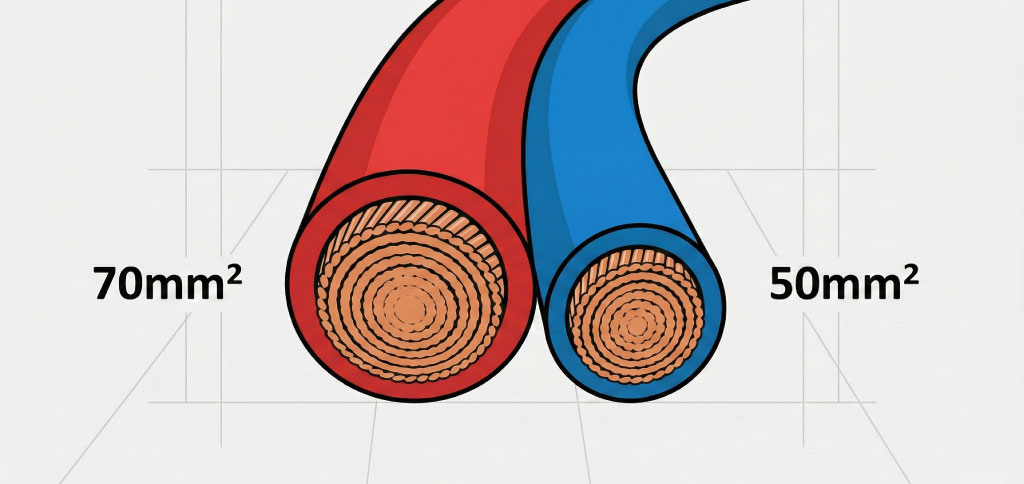
Heavier cable also increases system weight. Over a 10‑metre run, the difference can amount to several kilograms depending on insulation type and marine‑grade sheathing. This affects installation flexibility, routing options, and even vessel layout.
The Voltage Sweet Spot: When 96V Hits Just Right
Let’s break it down – here’s why 96V systems are the better option for certain types of electric boats:
- Less Cable Drama
Thinner, lighter, easier-to-route cables that don’t turn into heat-radiating spaghetti under load. What’s not to love? - More Range, More Runtime
Less wasted energy = more distance per charge. Simple math, better boating. - Higher Power, Less Stress
You get more oomph without cooking your cables or frying your fuses. It’s the electric equivalent of turbocharging without the smoke. - Built to Grow
Planning to add solar, a bigger motor, or more batteries later? 96V is future-you’s best friend. - Smoother Sailing
Electric motors generally behave better with higher voltage – quieter, cooler, smoother acceleration. - Efficiency That Just Works
whether it’s an inboard, outboard, or integrated system, 96V gives you a performance bump you’ll actually feel.
eSSA: The Smart Architect of ePropulsion’s 96V System Line-up
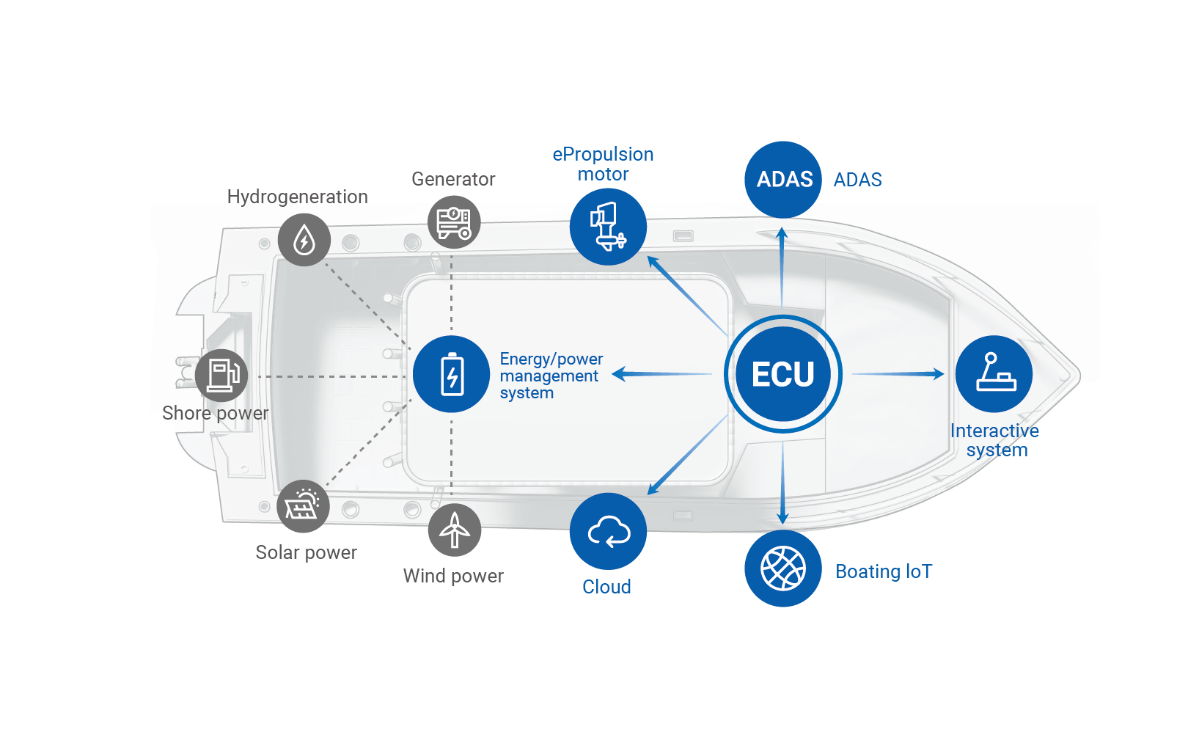
96V is the perfect match for motors between 10 and 40 kW, which is fantastic because this is exactly where eSSA has been engineered to shine. With higher voltage as its backbone, eSSA enables:
- Integrated communication across all components
- Smarter energy management
- System‑wide diagnostics
- Scalable battery configurations
- Precise monitoring and fault control
It’s the architecture – not just the voltage – that delivers the intelligence boatbuilders increasingly expect.
At the core of the 96V range are the I-Series inboard motors, known for their compact design, low maintenance, and smooth power delivery. They’re engineered specifically for marine applications, making them a perfect fit for both retrofits and new builds.
Need more power and flexibility? Enter the X-Series electric outboards, built for performance and high-voltage efficiency. These motors offer integrated steering and modular configurations – ideal for everything from workboats to leisure craft. Their sleek form factor and intelligent system integration keep things tidy below deck and intuitive at the helm.
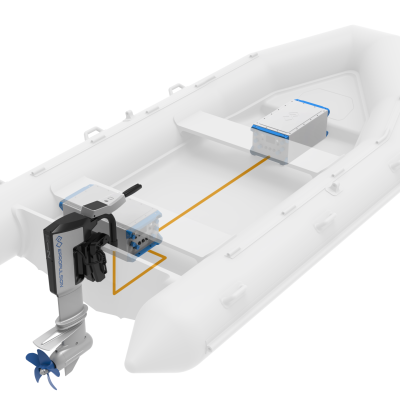
And for even more streamlined installations, ePropulsion’s Pod Drive range with the eSSA (ePropulsion Smart System Architecture) offers a clean, space-saving solution. This under-the-hull drive system connects seamlessly with ePropulsion’s 96V batteries and control interfaces, making it a great choice for catamarans, tenders, or compact boats where space is at a premium.
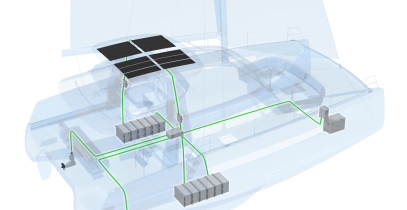
Every component in the system – from 96V lithium iron phosphate batteries to the intelligent marine BMS – is designed to work together, so you get compatibility, top-tier safety, and optimal performance without the hassle.
Whether you’re upgrading your own vessel or specifying a system for production, eSSA unlocks integration benefits that simply aren’t possible with basic 48V setups.
Pro Tips for Building a 96V System
When it comes to cabling, size does matter – but so does smart design. ePropulsion’s standard 96V systems use 50mm² marine-grade cable, which is comfortably rated for up to 20kW of power. That’s more than enough for most electric boating applications, including 10kW or 12kW systems where the cable spec is arguably overkill – offering an extra margin of safety and thermal performance.
In fact, the absolute maximum allowed under ISO standards for this setup is 31.5kW, but ePropulsion engineers stay well within safe operating limits for long-term reliability. And if you need to go bigger? For applications around 40kW, rather than using bulkier, harder-to-manage cables, ePropulsion’s solution is to double the number of cable runs instead. This modular approach helps maintain flexibility and ease of installation without sacrificing safety or performance.
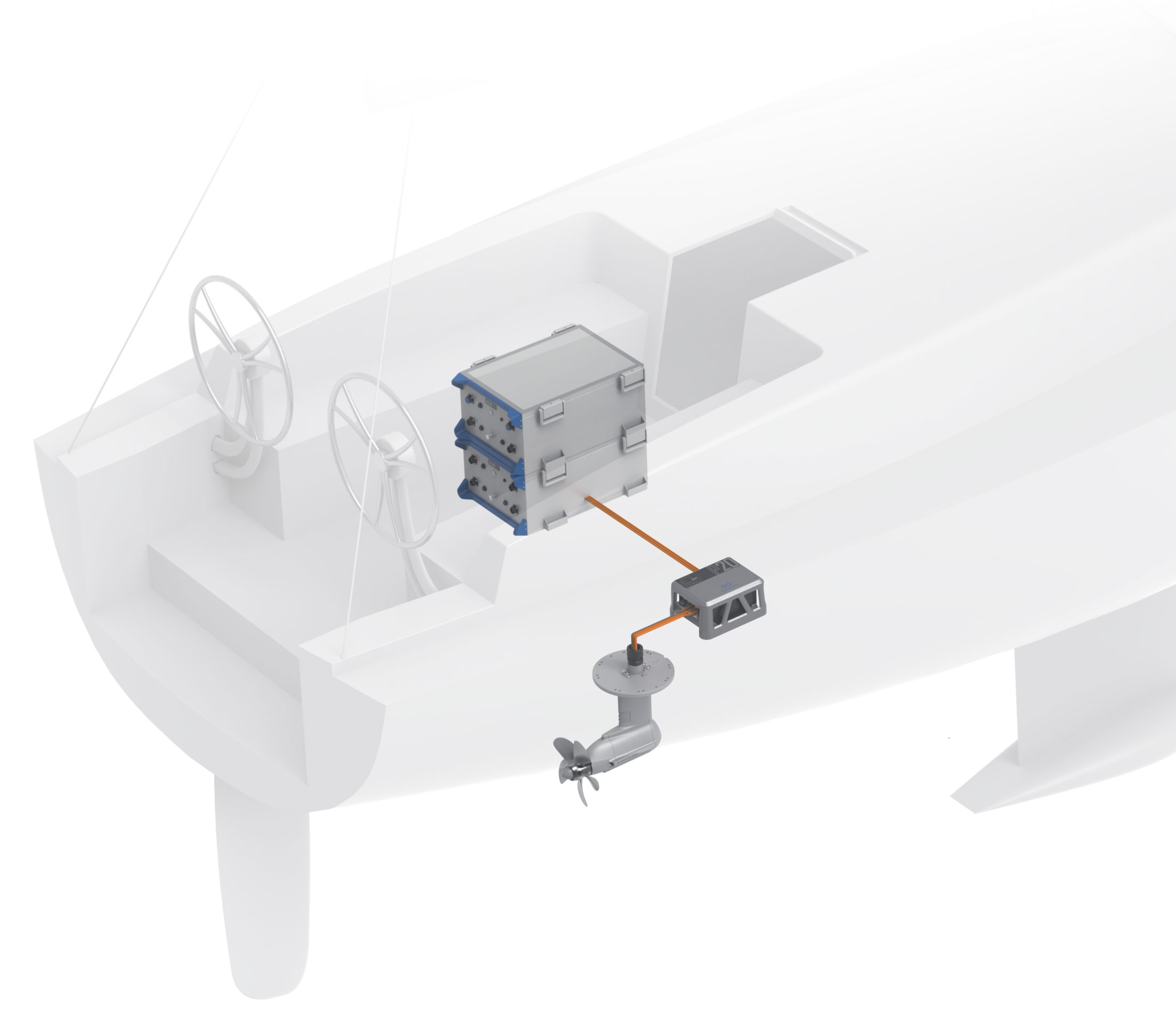
Here are a few more tips to get the most out of your 96V setup:
- Use marine-grade wire rated for 100V or higher
- Plan your cable runs early and route for airflow
- Use a motor, battery, and controller designed by one manufacturer
- Choose a BMS that talks nicely with your other components
- Label everything. Trust us, future-you will appreciate it
Bonus: Use integrated systems where you can. ePropulsion offers high-voltage motors, batteries and controllers that are designed to work together – saving you time, confusion, and wiring headaches.
Why Professional Installation Matters
Working with higher voltages offers big benefits – but it also demands respect. To ensure safety, reliability, and top performance, it’s essential to have your system fitted by a qualified marine electrician. A trained professional will understand the specific requirements of marine environments, including cable routing, waterproofing, voltage isolation, and regulatory compliance.
Incorrect installation can lead to poor performance, safety risks, or premature system failure – none of which are worth the risk on the water.
To support installers, ePropulsion offers specialist product training for professional fitters, ensuring that every system is installed to the highest standard. This helps ensure your electric propulsion setup not only meets expectations – but exceeds them, safely and efficiently.
But Wait – Isn’t 96V Dangerous?
Let’s talk safety. Yes, 96V is considered “high voltage” by many standards. But no, it’s not the electric bogeyman.
Above 60V, additional marine safety regulations apply. Rather than viewing this as a disadvantage, it’s worth acknowledging why these rules exist.
Higher power systems need larger battery banks, more robust connectors, and better protection. These requirements are there because the system is capable of more, and the safeguard framework ensures it can be installed safely and reliably.
For vessels using motors in the 10-40 kW range, these measures aren’t just compliant – they’re appropriate.
A well‑designed 96V eSSA system integrates: - Intelligent BMS - Overcurrent and short‑circuit protection - Isolation monitoring - Temperature and fault reporting
This results in a safer, smarter, more manageable high‑power installation.
48V vs 96V: When to Make the Switch
Still wondering if 96V is worth it? It probably is if:
- Your power demands are high
- You want a future-flexible system
- You’re tired of chunky cables and voltage drop headaches
OEMs and custom builders are moving in this direction – because 96V makes higher performance electric boats smarter, cleaner, and easier to scale.
Final Thoughts: If You Need More Power, Go Bold, Go 96V
Both voltages serve different roles. 48V remains a strong choice for smaller systems, but once higher power levels, larger battery banks, and smarter system integration are required, the combination of 96V + eSSA becomes the clear, purpose‑designed solution.
So, whether you are designing your ideal electric boat, or an OEM planning your next line-up, high voltage is no longer a future idea. It’s happening.
Want to go 96V without the guesswork? Take a look at the ePropulsion I-Series, X-Series or Pod Drive systems – built to make high-powered electric boating easier, safer, and more efficient than ever.