LiFePO₄ vs NMC: Calm Power or Compact Convenience
Battery chemistry has a habit of sounding scarier than it really is. When electric propulsion comes up, many people assume it is going to be deeply technical and difficult to follow unless you have an electronics background. This post aims to take the mystery out of it, cutting through the jargon and explaining what actually matters in plain English.
Battery chemistry influences safety, lifespan, performance and ultimately how relaxed you feel when you head out on the water. Spoiler alert. Some chemistries are much better at keeping things calm than others.
You have probably heard the acronyms LiFePO (Lithium Iron Phosphate) and NMC (Nickel Manganese Cobalt) mentioned in the same breath, often accompanied by strong opinions and confident hand waving. But the truth is a little more nuanced.
Both chemistries have their place. The trick is knowing where, why, and whether that place is actually on your boat.
This blog cuts through the hype and looks at how these two lithium ion contenders behave in real marine conditions, so you can make an informed and practical choice rather than relying on pub maths and forum folklore.
Chemistry 101: Same Lithium, Different Personalities

Same element. Different structure. Big difference.
Both LiFePO and NMC are lithium ion technologies, but their internal chemistry dramatically changes how they behave under load, over time and when things are not quite perfect. And on a boat, things are rarely perfect.
NMC batteries prioritise energy density. They store more energy in a smaller and lighter package, which is why they are widely used in consumer electronics and lightweight electric vehicles. They are the gymnasts of the battery world. Compact, impressive, and slightly temperamental.
LiFePO batteries, by contrast, prioritise stability and longevity. Their iron phosphate structure is chemically calmer, more predictable and far more tolerant of repeated cycling, heat and stress. Think less acrobat, more dependable long distance runner.
In a lab, both look impressive.
On a boat, those differences start to matter.
Side by Side Comparison: LiFePO₄ vs NMC
| Feature | LiFePO₄ | NMC |
| Chemistry | Lithium Iron Phosphate | Nickel Manganese Cobalt |
| Safety | Extremely stable, very low fire risk | Higher thermal runaway risk |
| Energy density | Lower, around 90 to 120 Wh per kg | Higher, around 150 to 200 Wh per kg |
| Cycle life | 3,000 to 5,000 plus cycles | 1,000 to 2,000 cycles |
| Temperature tolerance | Wide and marine friendly | Narrower operating window |
| Upfront cost | Slightly higher | Often cheaper initially |
| Best suited for | Installed marine systems and stationary power | Portable and weight critical systems |
The table tells part of the story, but marine use adds its own layers of complexity.
Why LiFePO₄ Excels in Most Marine Applications
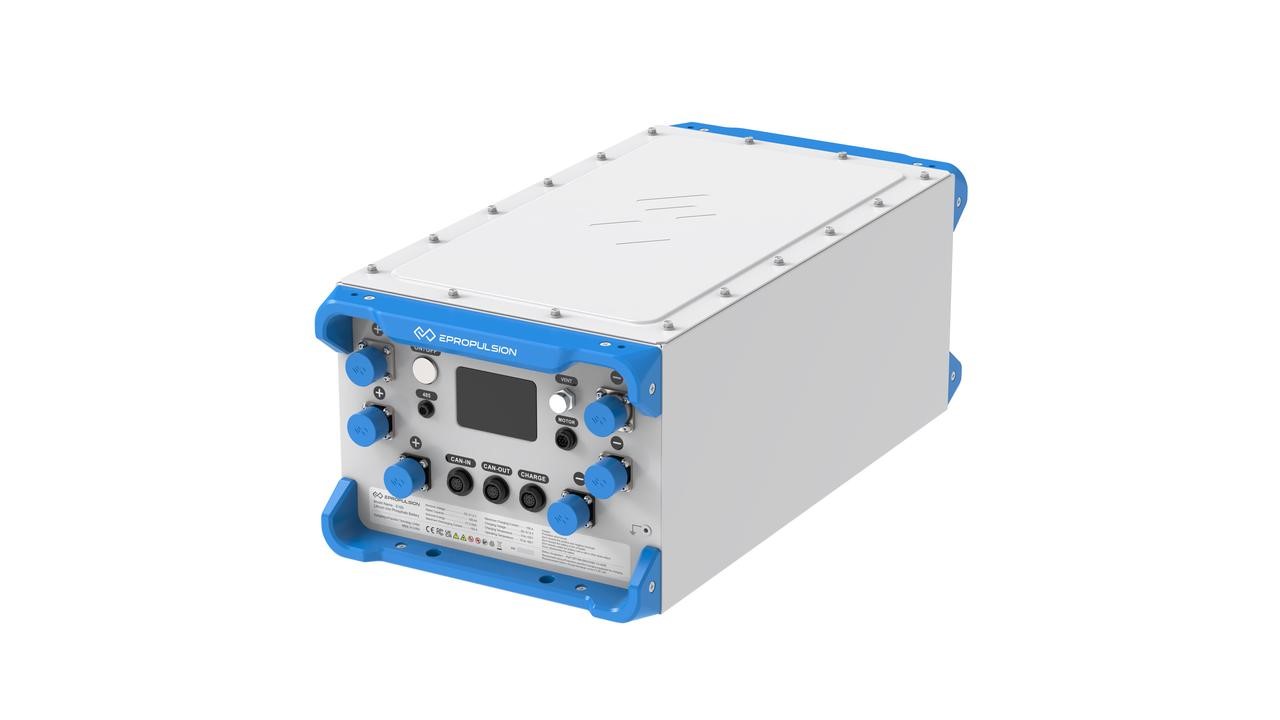
Boats are tough environments for batteries. Heat build up, vibration, humidity, salt air, irregular charging and long idle periods all take their toll. Batteries do not get an easy life afloat.
This is where LiFePO earns its reputation as the sensible choice.
LiFePO is highly resistant to overheating and thermal runaway, which is a polite way of saying it is far less likely to turn an enjoyable day on the water into a very bad story involving smoke, urgency and insurance forms.
With thousands of charge cycles available, LiFePO batteries degrade slowly and predictably. You get years of usable capacity rather than a dramatic decline that leaves you wondering whether the range estimate was ever telling the truth in the first place.
They also handle wide temperature swings far better than higher density chemistries. From summer heat to shoulder season chills, LiFePO tends to take it all in stride without complaint.
For most installed marine systems, that kind of steady, unflappable behaviour is exactly what you want quietly doing its job below deck.
Where NMC Still Makes Sense on the Water
This is where the nuance comes in.
NMC is not wrong for marine use. It is simply more specialised.
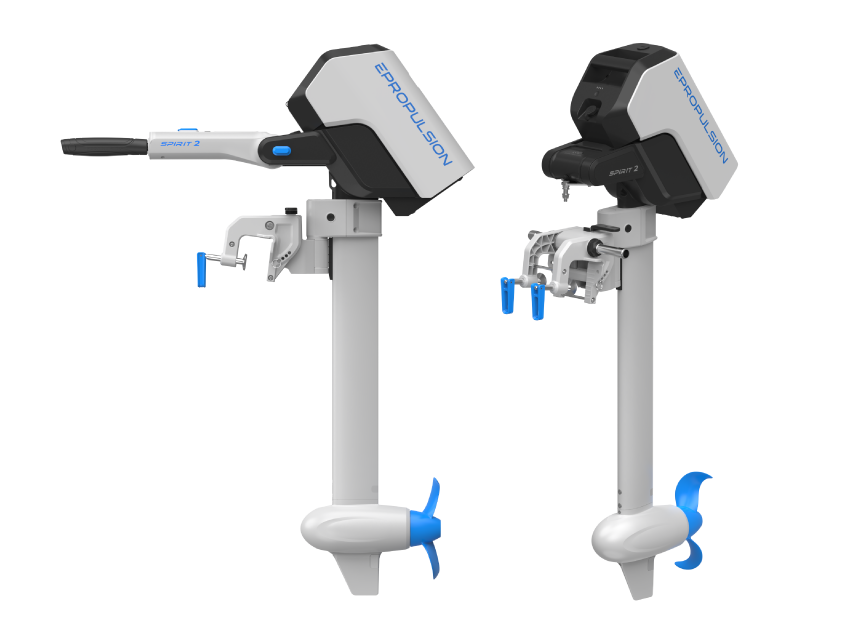
In small and portable electric outboards like Spirit 2, weight and compactness matter enormously. These systems usually have lower total energy capacity, are used for shorter duty cycles and are tightly managed by integrated electronics. They are also frequently lifted, removed and charged ashore, which means every kilo really does count.
In those scenarios, NMC's higher energy density is a genuine advantage rather than a theoretical one.
That is why ePropulsion uses NMC chemistry in its Spirit 1.0, Spirit 2 and eLite ranges, where portability, liftability and compact design are central to the product's purpose. In other words, when you need to pick it up without pulling a muscle, NMC earns its keep.
Once you move beyond that into higher voltages, larger battery banks, longer runtimes and deeper cycling, the balance shifts decisively towards LiFePO. Bigger boats demand calmer batteries.
What to Look for in a Marine Battery System Beyond Chemistry
Rather than focusing on chemistry alone, it is worth stepping back and looking at the whole system.
- A robust battery management system with thermal protection
- Wide operating temperature limits
- Proven marine testing and certifications
- Strong manufacturer support and long term availability
- Integration with propulsion, charging and solar
- Scalable architectures for 48V and 96V systems
The best battery systems are not just powerful. They are predictable under pressure.
LiFePO₄ in Larger ePropulsion Systems
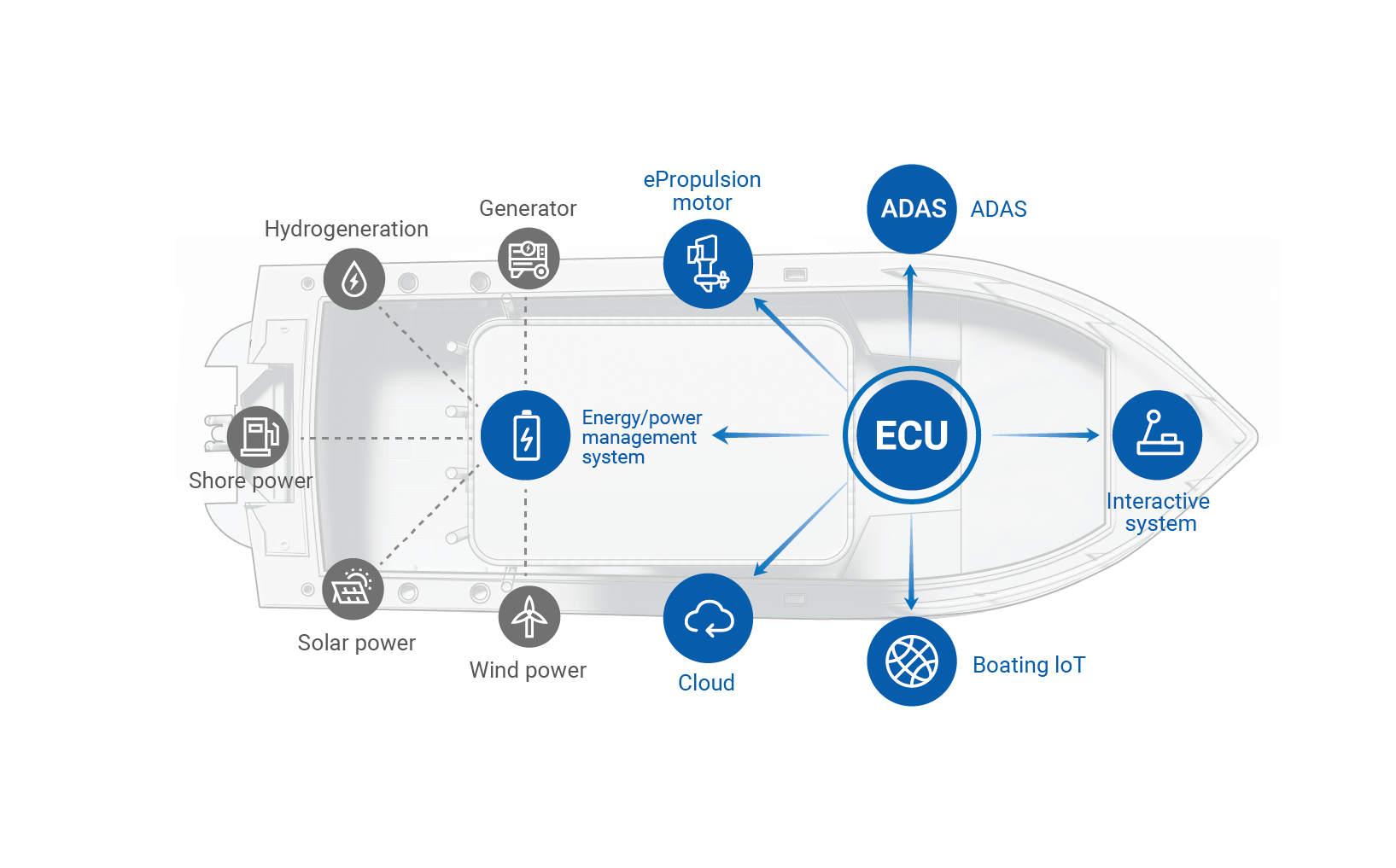
For its higher power and higher voltage platforms, including the X Series, I Series, 48V architectures and 96V battery banks, ePropulsion exclusively uses LiFePO.
That choice reflects the realities of larger electric boats. Longer runtimes, deeper discharge cycles, higher currents and a far greater emphasis on long term safety and durability.
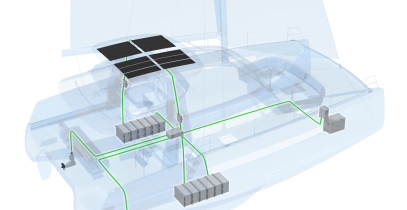
Paired with their Smart System Architecture, these batteries are designed to behave consistently in real marine conditions, not just on a specification sheet.
Final Thoughts: The Right Chemistry Depends on the Job
If you are choosing a battery for an electric boat, do not fall into the trap of obsessing over one headline number on a spec sheet.
Energy density matters sometimes.
Safety, lifespan and system behaviour matter all the time.
LiFePO may not be the flashiest chemistry on the block, but for most installed marine systems it is the steady, dependable workhorse you want beneath your feet.
Choose the chemistry that matches how and where you actually use your boat, and you will be rewarded with quieter cruising, fewer worries and power you can trust, wave after wave.