ePropulsion Powers Innovation at the 2026 Monaco Energy Boat Challenge
ePropulsion, a global leader in electric marine propulsion systems and services, showcased the versatility and scalability of its technology at the 13th Monaco Energy Boat Challenge, with six teams using ePropulsion systems across multiple competition classes. From student-led prototypes and advanced intelligent hydrofoils to a market-ready electric yacht, the projects demonstrated how ePropulsion’s technology can support a wide range of vessels and applications while delivering the efficient, reliable and zero-emission performance required both in competition and on the water.
Held from 8–11 July at the Yacht Club de Monaco, the 2026 Challenge brought together 54 teams representing 21 nationalities. The event combined competitive racing, sea trials and technical demonstrations, providing a real-world testing ground for electric, hydrogen, solar and hybrid marine technologies.
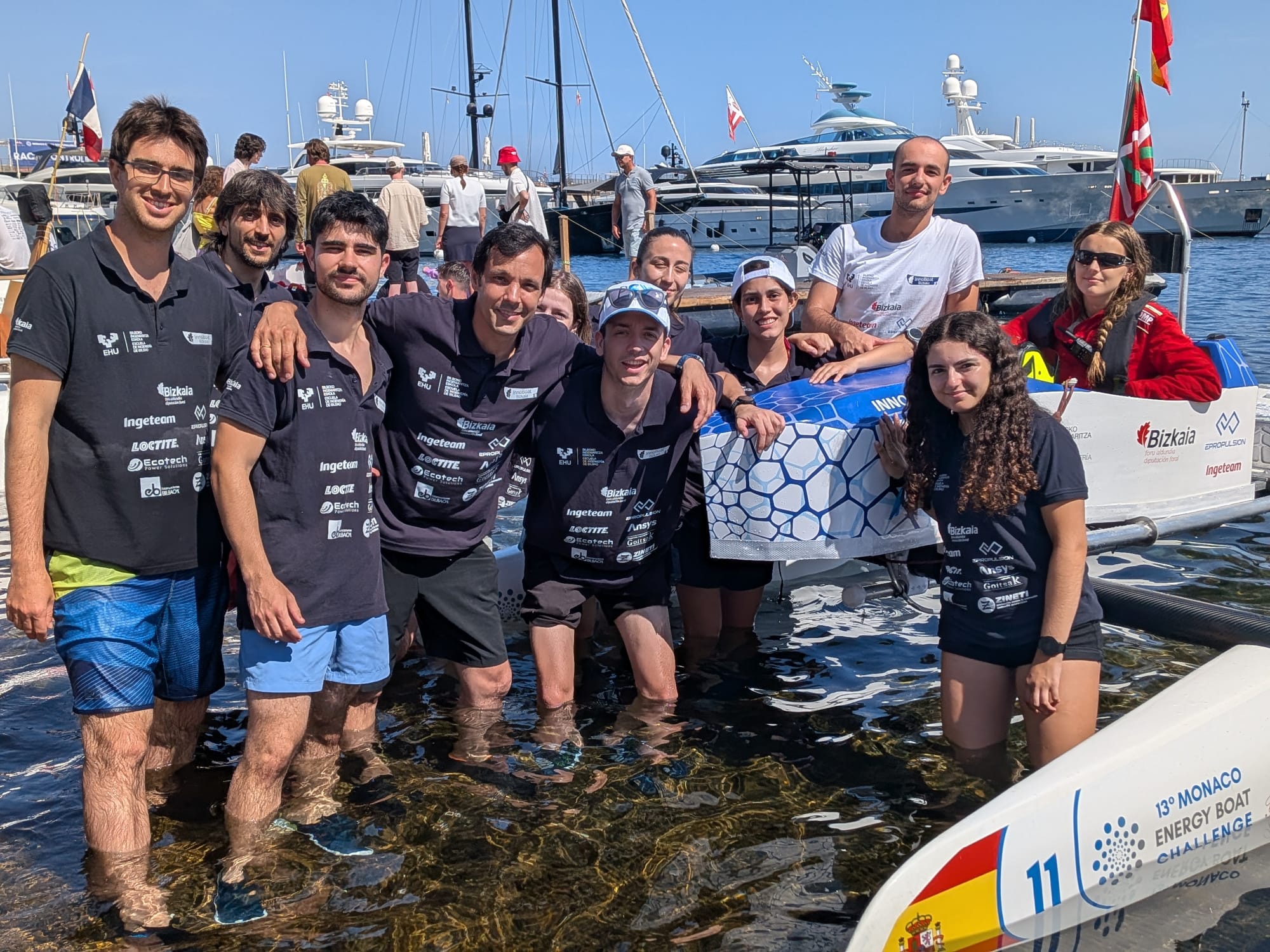
InnoBoat Bizkaia takes innovation to the water
Representing the University of the Basque Country in Spain, InnoBoat Bizkaia returned to Monaco with its latest student-designed Energy Class vessel, powered by an ePropulsion Navy 6.0 Evo electric outboard.
Designed and developed by a multidisciplinary team of students, the project combined electric propulsion with intelligent energy and route management. Its route-planning system used real-time Copernicus Marine data to optimise the boat’s course according to currents, while an AI-based conversational assistant provided the pilot with operational and energy-management information.
Throughout the Challenge, the team put its engineering, efficiency and reliability to the test across the Energy Class programme, demonstrating how intelligent systems and proven electric propulsion can work together to improve performance on the water.
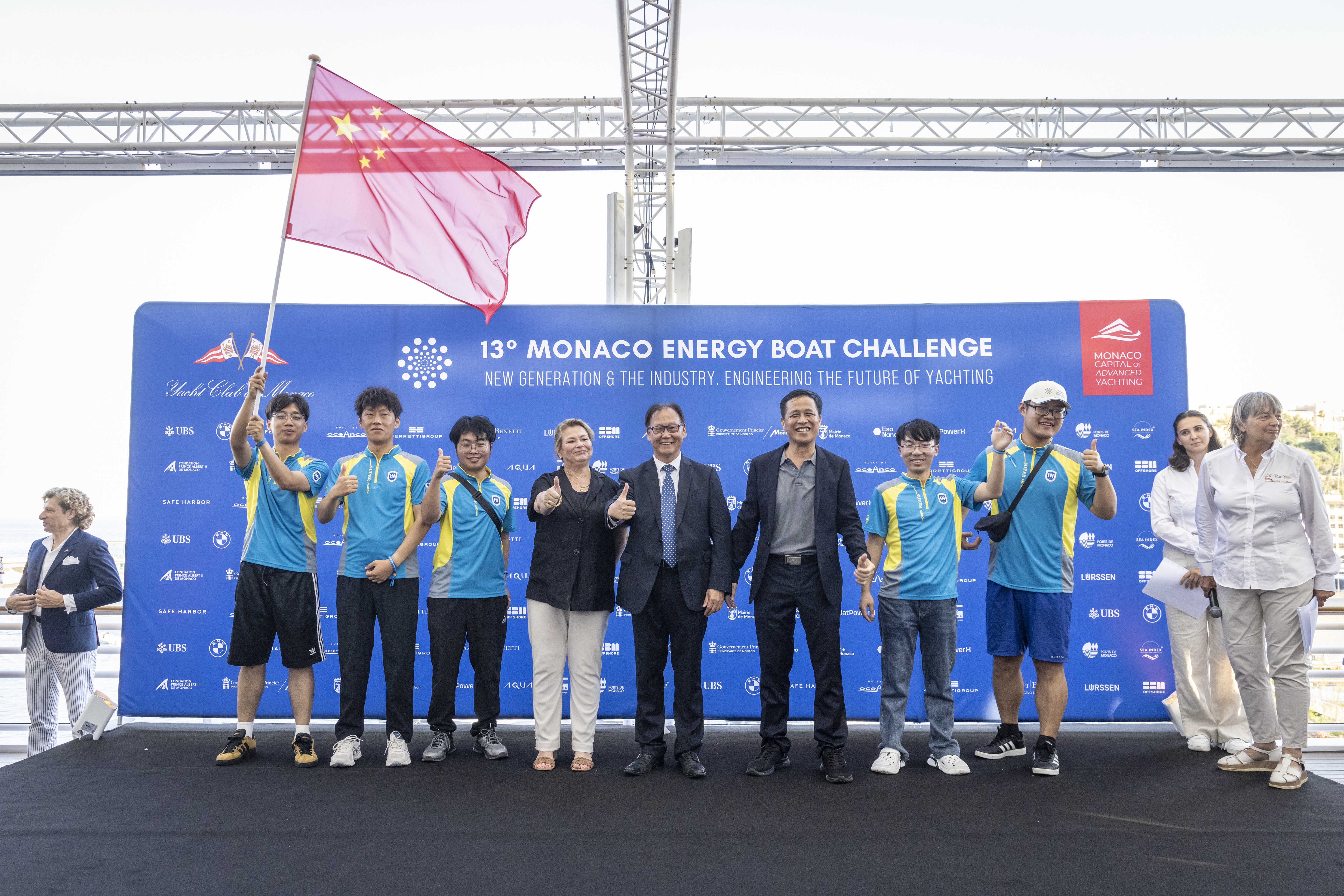
Historic podium finish for Yushui Flight
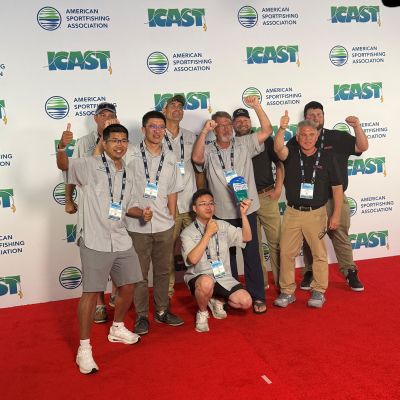
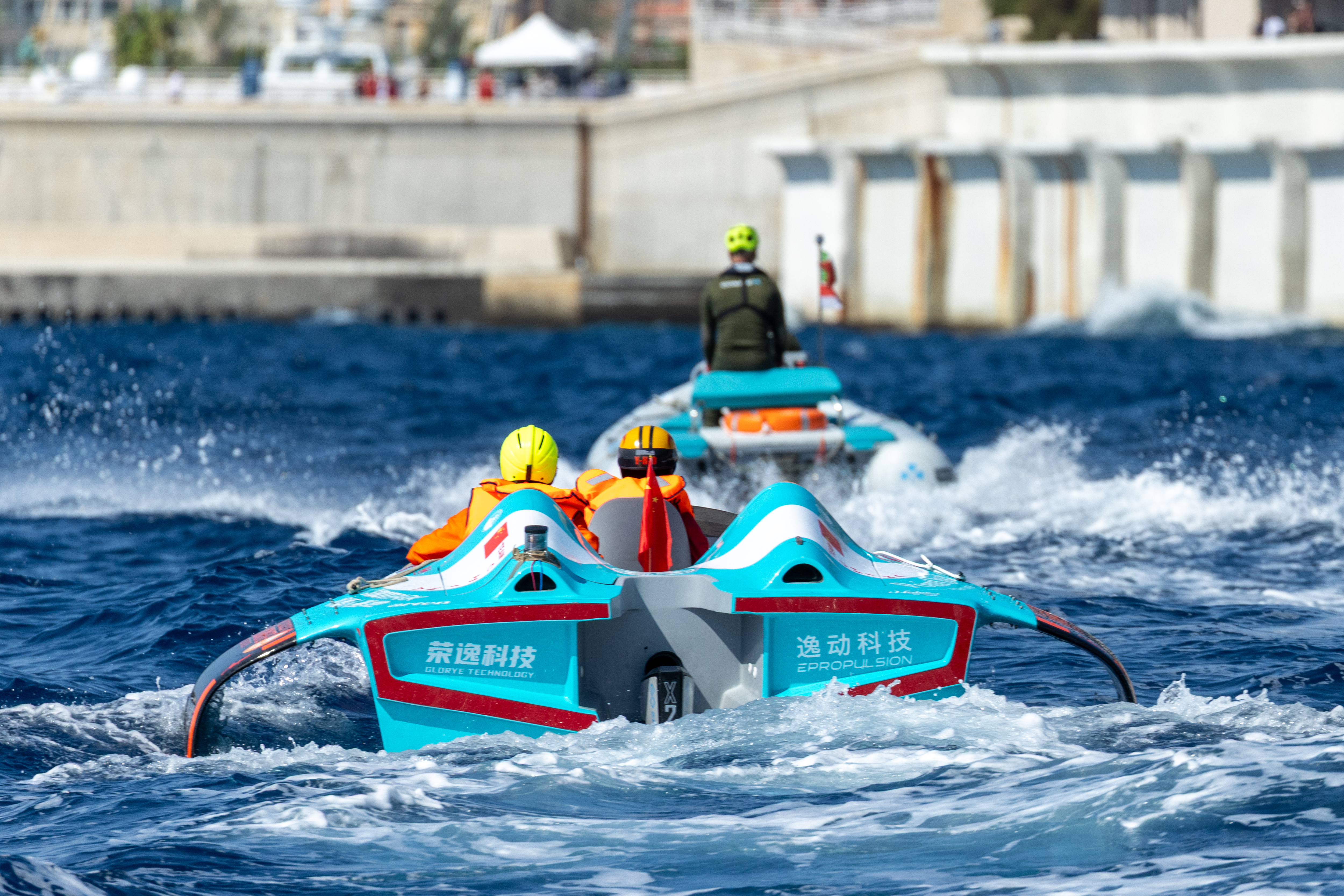
Yushui Flight achieved a landmark result for Chinese marine innovation when its independently developed Alaqua Y-3 electric intelligent hydrofoil secured third place in the SeaLab Class.
The result made Yushui Flight the first Chinese team to reach the podium at the Monaco Energy Boat Challenge. Developed in Shenzhen, the battery-electric Alaqua Y-3 combines hydrofoil technology with an intelligent control system designed to reduce drag, improve stability and increase range.
The vessel can reach a top speed of 30 knots with its 40 kW propulsion system and requires just 20 kW to achieve 18 knots. Its performance in Monaco demonstrated the potential of advanced electric hydrofoils to deliver greater efficiency without compromising speed or control.
Hainan University advances smart marine engineering
ePropulsion also supported the Hainan University Team in the Energy Class. The multidisciplinary Chinese research team used the event to develop and test its work in smart marine technology and sustainable propulsion under demanding real-world conditions.
Its participation reflected the growing contribution of Chinese universities and engineering talent to the development of more intelligent, efficient and sustainable marine technologies.
Wia 520 demonstrates electric propulsion at scale
Alongside the student and technology competitions, the Wia 520 HardTop demonstrated how electric propulsion is already being applied to larger, market-ready leisure craft.
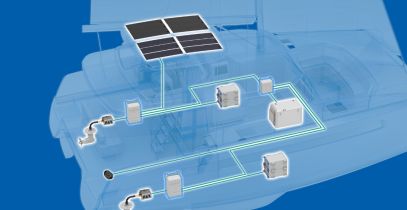
At 16 metres, the Wia 520 is one of the largest fully electric yachts currently available. Developed in collaboration with ePropulsion, it is powered by two 40 kW ePropulsion I-40 electric inboard motors, delivering a combined output of 80 kW. The propulsion system is paired with a standard 160 kWh battery bank to support quiet, comfortable and zero-emission cruising.
The yacht took part in the Open Sea Xperience, where commercially available and near-market vessels were tested in open water for range, reliability and operational performance. Its appearance demonstrated that the benefits of electric propulsion, including low noise, smooth operation and reduced maintenance, can be successfully scaled to spacious cruising yachts without compromising onboard comfort or usability.
Supporting marine innovation at every level
Together, the four projects represented the breadth of the transition to electric boating, from university-led research and experimental hydrofoil technology to fully developed electric yachts ready for the leisure market.
“Monaco brings together the talent, technology and ambition needed to accelerate the transition to cleaner boating,” said Danny Tao, CEO of ePropulsion. “The achievements of InnoBoat Bizkaia, Hainan University and Yushui Flight demonstrate the extraordinary potential of the next generation of marine innovators, while the Wia 520 shows that advanced electric propulsion is already capable of powering larger cruising yachts. We are particularly proud to have supported Yushui Flight in achieving this historic first podium finish for a Chinese team.”
The Monaco Energy Boat Challenge has brought together more than 6,500 students and around 50 universities since it was established in 2014, creating an international platform for collaboration between education, research and the marine industry.